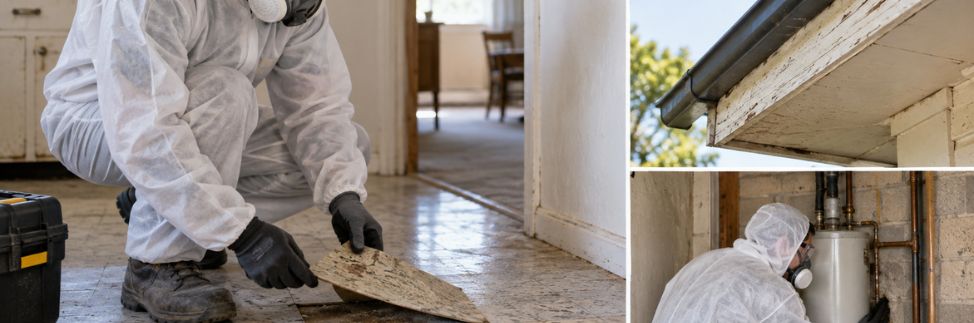
Asbestos in Unexpected Places: Where It Can Be Found and Why Testing Matters

Asbestos in Unexpected Places: Where It Can Be Found and Why Testing Matters

When most people think of asbestos, materials such as old fibro sheeting, roofing, fencing and eaves often come to mind. While these are well-known examples, asbestos was used in a much wider range of building products, household items and commercial applications than many property owners realise.

Some asbestos-containing materials can be concealed beneath newer finishes or found in places where you might not immediately expect them. Knowing where asbestos may be present can help property owners recognise when a material should be left alone and professionally assessed.

At Coastal Asbestos, we have more than 35 years of experience working with asbestos across residential, commercial and industrial properties on the Gold Coast. One thing that experience has shown us is that asbestos is not always found where people expect it to be.

Why Was Asbestos Used in So Many Different Products?

Asbestos was widely used because of properties including heat resistance, fire resistance, durability and insulation. These characteristics made it useful across a broad range of building materials and products before its use was prohibited in Australia.

As a result, asbestos may be present in more than the obvious fibro products commonly associated with older properties. It can also be concealed within flooring, electrical components, insulation and heat-resistant products.

The age of a property can provide useful context, but it does not tell you exactly where asbestos is present or whether a particular material contains it.

Where Can Asbestos Be Found Around a Property?

Some locations are relatively well known. Older properties may contain asbestos cement products in wall and ceiling sheeting, eaves, roofing, fencing and wet areas.

Other locations can be much less obvious.

– Flooring and materials beneath the surface

Older vinyl and linoleum flooring can contain asbestos, including within the backing material. Adhesives and materials beneath floor coverings may also be a concern.

This means replacing flooring can sometimes expose materials that were not visible when looking at the room beforehand.

– Electrical and heat-resistant products

Because of its resistance to heat and fire, asbestos was also incorporated into some older electrical and heat-resistant products.

Examples may include:

  • electrical backing boards and some fuse boxes
  • older electrical components
  • rope seals around ovens, heaters and potbelly stoves
  • older fire blankets and other fire-resistant products

These are easy to overlook because they do not necessarily resemble the building materials most people associate with asbestos.

– Bathrooms, laundries and other wet areas

Bathrooms and laundries can contain several layers of materials installed at different times.

Asbestos-containing materials may potentially be present in wall or ceiling sheeting, backing boards, flooring or materials concealed behind tiles and other finishes.This is one reason looking only at the visible surface of a material can be misleading.

– Commercial and industrial properties

The potential locations can be even broader in older commercial and industrial environments.

Asbestos was historically used in applications where insulation, durability and resistance to heat were important. Depending on the building and equipment, this can include insulation associated with pipes or HVAC systems, gaskets, seals, generator components, plant and machinery, and some lift components.

 – Outdoor and less obvious locations

Asbestos is not necessarily confined to the building itself.Older structures, sheds, fencing and some pool-related materials may contain asbestos. Fragments of asbestos-containing material can also sometimes be found in soil or around properties as a result of previous building work or disposal practices.

There are also some less obvious places asbestos can be found around a property, including areas and products many owners would never think to check. 

Can You Tell If Something Contains Asbestos by Looking at It?

In most cases, no. Although the age, appearance and location of a material can indicate that asbestos may be present, visual inspection alone cannot confirm its asbestos content. This is particularly important when a material is hidden beneath another surface or looks similar to a non-asbestos product.

Where there is uncertainty, asbestos testing can provide a definitive answer. A sample can be professionally collected and analysed so you know what material you are dealing with rather than relying on an assumption.

What Happens During an Asbestos Inspection?

An asbestos inspection involves assessing a property or particular area for materials that may contain asbestos. Depending on the circumstances, samples of suspected materials may be taken for laboratory analysis.

The findings can then be documented to help establish:

  • where asbestos-containing materials have been identified
  • the type and condition of the material
  • whether further action is recommended
  • how the material should be managed

An asbestos inspection report can be particularly useful when a property contains several suspected materials or when owners, property managers or businesses need a clearer record of what has been identified.

What Should You Do If You Find a Material You Suspect Contains Asbestos?

If you come across an unfamiliar material that you believe could contain asbestos, avoid cutting, drilling, sanding, breaking or otherwise disturbing it. Do not rely on appearance alone to decide whether the material is safe.

Instead, arrange for the material to be assessed and, where appropriate, tested. Once you know whether asbestos is present, you can make an informed decision about whether the material can remain safely managed in place or whether professional asbestos removal is required.

Unsure About a Material on Your Property?

Asbestos does not always appear in the places people expect, and identifying it correctly is an important part of managing the risk.

If you have discovered suspicious material or would like greater certainty about asbestos within a Gold Coast property, Coastal Asbestos can assist with professional asbestos inspections and testing. Contact Coastal Asbestos to discuss your property and the most appropriate next step.


Frequently Asked Questions

Where is asbestos most commonly found in older homes?

Asbestos may be found in older wall and ceiling sheeting, eaves, roofing, fencing, wet areas and some flooring products. It can also occur in less obvious locations, including electrical backing boards, materials beneath flooring and heat-resistant products.

Is asbestos only a concern in residential properties?

No. Asbestos-containing materials can also occur in commercial and industrial properties. Older insulation, HVAC components, gaskets, seals and some plant or machinery may contain asbestos depending on their age and construction.

What is included in an asbestos inspection report?

The exact contents depend on the scope of the inspection, but an asbestos inspection report can document suspected or confirmed asbestos-containing materials, their locations and condition, and recommendations for managing any identified risks.

Does finding asbestos mean it always has to be removed?

Not necessarily. The appropriate response depends on factors such as the material, its condition, location and likelihood of being disturbed. Professional assessment can help determine whether the asbestos can be managed safely in place or whether removal should be considered.

When should I arrange asbestos testing?

Testing should be considered when there is a material suspected of containing asbestos and its composition cannot otherwise be confirmed. Rather than guessing based on its appearance, professional testing can establish whether asbestos is actually present.
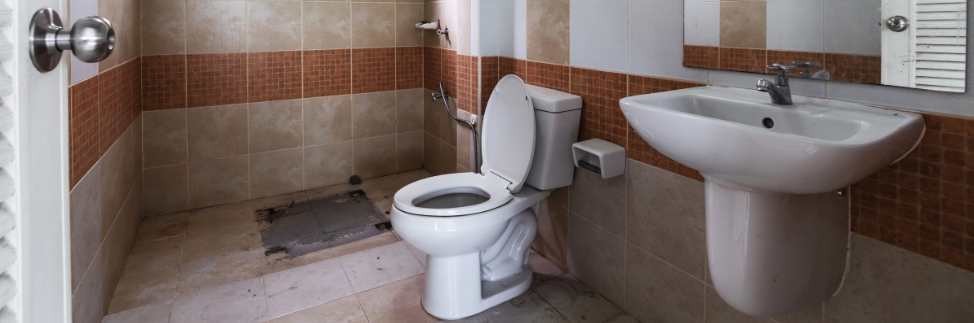
Could My Old Bathroom Contain Asbestos? What Homeowners Need to Know

Could My Old Bathroom Contain Asbestos? What Homeowners Need to Know

Older bathrooms can hide more than outdated tiles and tired fittings. In many Gold Coast homes, especially those built or renovated before 1990, asbestos-containing materials may still be present behind walls, under flooring, above ceilings, or beneath bathroom finishes. At Coastal Asbestos Removal, we regularly support homeowners, builders, renovators and property managers who discover asbestos risks during bathroom upgrades.

Before starting demolition, tile removal, plumbing changes or a full bathroom renovation, it is important to understand where asbestos may be hiding and why professional asbestos testing is the safest first step.

Why Older Bathrooms Can Contain Asbestos

Asbestos was commonly used in Australian building products because it was durable, water-resistant and fire-resistant. Bathrooms and wet areas often used cement-based sheeting and backing products that could withstand moisture. Once tiled, painted or covered, these materials can be difficult to identify.

This is why old bathrooms should be checked before work begins. Cutting, drilling, breaking or removing bathroom materials without asbestos inspections can release dangerous fibres into the air.

Common Bathroom Materials That May Contain Asbestos

Asbestos may be found in several bathroom materials, including:

  • Wall linings and internal sheeting
  • Ceiling sheets
  • Tile backing boards
  • Vinyl flooring and lino backing
  • Tile adhesives and old glues
  • Wet area products such as Tilux
  • Sheeting hidden behind tiles or shower recesses

In some cases, asbestos is not visible until the bathroom stripout begins. That is why an asbestos testing service is so important before renovation or demolition work starts.

Why Visual Checks Are Not Enough

A bathroom may look modern on the surface while still containing asbestos underneath. Painted sheeting, tiled walls and renovated finishes can hide older asbestos-containing materials. Even experienced trades can’t confirm asbestos by sight alone.

The only reliable way to know is through asbestos testing. A professional asbestos inspection report can confirm whether suspect materials contain asbestos and provide clear guidance on next steps.

When to Arrange Asbestos Testing

You should arrange asbestos testing Gold Coast services before starting any bathroom renovation in an older property. Testing is especially important before removing tiles, walls, ceilings, flooring or old wet area linings.

Coastal Asbestos provides asbestos reports and asbestos inspections for homeowners, builders and property managers who need clear information before work continues. If asbestos removal is required, it can be planned safely before other trades enter the area.

How Coastal Asbestos Can Help Before Renovation Begins

Coastal Asbestos Removal provides professional asbestos removal Gold Coast services, including bathroom asbestos removal, testing, reporting, stripout support and safe disposal. As a trusted asbestos removal company, we help reduce risk before renovation work begins.

We also support larger renovation and demolition asbestos removal projects, including demolition and asbestos removal, gold coast demolition, home demolitions Gold Coast and house demolition Gold Coast work where asbestos may be present.

Planning an old bathroom renovation? Don’t guess and don’t let demolition start before the materials are checked. Contact Coastal Asbestos Removal today to arrange asbestos testing, asbestos inspections or bathroom asbestos removal. Our team can help identify the risk, provide clear asbestos reports and safely remove asbestos-containing materials before your renovation moves ahead.

Frequently Asked Questions

1. Can old bathrooms contain asbestos?

Yes. Older bathrooms, especially in homes built or renovated before 1990, may contain asbestos in wall linings, ceiling sheets, tile backing boards, vinyl flooring, adhesives and wet area products. Coastal Asbestos can arrange asbestos inspections and asbestos testing to confirm whether asbestos is present before renovation work begins.

2. Where is asbestos commonly found in bathrooms?

Asbestos can be hidden behind tiles, under flooring, in ceiling sheets, wall linings, splashbacks, backing boards and products such as Tilux. A professional asbestos inspection report can help identify the location and condition of asbestos-containing materials before they are disturbed.

3. Do I need asbestos testing before renovating a bathroom?

Yes. Asbestos testing is strongly recommended before renovating an older bathroom. Coastal Asbestos provides asbestos testing Gold Coast services and an asbestos testing service for homeowners, builders and property managers who need clear results before demolition or stripout work starts.

4. Can I tell if bathroom materials contain asbestos by looking at them?

No. Some bathroom asbestos materials can look similar to modern building products, especially once painted, tiled or covered. Visual checks can raise suspicion, but asbestos testing is the only reliable way to confirm whether a material contains asbestos.

5. What should I do if asbestos is found during a bathroom renovation?

Stop work immediately and avoid disturbing the material further. Coastal Asbestos Removal can assist with asbestos inspections, asbestos reports and safe asbestos removal Gold Coast services to help manage the risk before renovation work continues.

6. Can asbestos be found behind bathroom tiles?

Yes. Asbestos may be present in backing boards, wall sheeting, adhesives or older wet area linings behind bathroom tiles. This is why asbestos inspections are important before removing tiles, walls or shower recesses in older properties.

Project-Managing Your Own Renovation? Start With This Homeowner Renovation Checklist

Project-Managing Your Own Renovation? Start With This Homeowner Renovation Checklist

Managing your own renovation can feel exciting at the start. You have ideas, inspiration, a rough budget and a vision for how your home will look when it is finished. But once trades, timelines, permits, demolition, materials and hidden building risks come into the picture, the process can quickly become overwhelming.

At Coastal Asbestos, we regularly work with homeowners who are trying to coordinate their own renovation. Many are not builders, but they are suddenly expected to make decisions about demolition, asbestos testing, approvals, access, waste, contractors and sequencing. That is why we created our Renovation Playbook: to help homeowners plan more clearly before the first wall comes down.

Start With the Right Checks

Before any renovation begins, it is important to understand what you are working with. If your home was built or renovated before 1990, asbestos may be present in areas such as eaves, wall sheeting, vinyl backing, fencing, roofing, bathrooms, laundries, kitchens and ceiling spaces.

You cannot confirm asbestos by looking at it. Materials may appear modern on the surface but still contain asbestos underneath. The safest approach is to arrange asbestos testing before demolition or disturbance begins.

What Homeowners Should Plan Before Demolition

A smooth renovation starts well before the strip-out stage. Homeowners should take time to organise:

  • A realistic renovation budget with a contingency for surprises
  • Written quotes from licensed and insured trades
  • Council, certifier, body corporate or landlord approvals if required
  • Asbestos testing before demolition begins
  • Temporary utilities, access, parking and waste removal
  • A clear project timeline and order of works
  • A plan for living arrangements, pets and essential items

Getting these basics in place can help reduce delays, avoid confusion and protect everyone working onsite.

Why Asbestos Testing Belongs Early in the Process

Finding asbestos before demolition starts is manageable. Finding it mid-demolition can stop work, increase costs and create serious safety concerns.

Asbestos testing gives homeowners, builders and trades clearer information before work begins. If asbestos is identified, Coastal Asbestos can provide an asbestos inspection report and safe asbestos removal where required. This helps your renovation move forward with fewer surprises.

Understanding the Renovation Workflow

Most renovations follow a sequence: planning, permits, demolition, framing, rough-in electrical and plumbing, inspections, gyprock, painting, flooring, cabinetry, fixtures and final defects. When this order is disrupted, costs and delays can build quickly.

A homeowner renovation checklist helps you stay organised and ask better questions before each stage begins.

Download the Coastal Asbestos Renovation Playbook

If you are planning a renovation, do not renovate blind. Download Coastal Asbestos’ free Renovation Playbook to help plan your budget, trades, timeline, demolition checks and asbestos testing before work begins.

Need asbestos testing before your renovation starts? Contact Coastal Asbestos today to book a pre-renovation asbestos inspection and move forward with confidence.

Frequently Asked Questions

What should I organise before starting a home renovation?

Before starting a renovation, organise your budget, trade quotes, approvals, project timeline, access, waste removal and asbestos testing. If your home was built or renovated before 1990, arranging asbestos inspections early can help identify risks before demolition or strip-out work begins.

Do I need asbestos testing before renovating an older home?

Yes, asbestos testing is strongly recommended before renovating an older home. Coastal Asbestos provides asbestos testing Gold Coast services to help homeowners confirm whether asbestos is present in walls, ceilings, flooring, eaves, bathrooms, laundries or other areas before work starts.

Why is asbestos a risk during DIY renovations?

DIY renovations can disturb asbestos-containing materials through drilling, cutting, sanding, demolition or tile removal. Once disturbed, asbestos fibres can become airborne and create serious health risks. A licensed asbestos removal company should always manage asbestos removal safely and legally.

What is included in an asbestos inspection report?

An asbestos inspection report typically outlines where asbestos-containing materials may be located, their condition, and recommended next steps. Coastal Asbestos can provide asbestos reports after asbestos testing to help homeowners, builders and trades understand what is present before renovation work continues.

Should asbestos be removed before demolition starts?

Yes. If asbestos is found, asbestos removal should happen before demolition starts. Coastal Asbestos supports demolition asbestos removal and demolition and asbestos removal projects, helping reduce the risk of contamination during renovations, home demolitions Gold Coast projects and house demolition Gold Coast works.

Can Coastal Asbestos help if I am project-managing my own renovation?

Yes. Coastal Asbestos can support homeowners who are project-managing their own renovations by providing asbestos inspections, asbestos testing service options, asbestos reports and safe asbestos removal Gold Coast services. This helps you make informed decisions before engaging builders, plumbers, electricians, tilers or demolition companies Gold Coast wide.

Do Landlords, Property Managers, and Workplaces Need an Asbestos Register and Management Plan?

Do Landlords, Property Managers, and Workplaces Need an Asbestos Register and Management Plan?

The Legal Requirement for Asbestos Management

Asbestos remains a significant concern in properties across the Gold Coast, especially in buildings constructed before 1990. Whether you’re a landlord, property manager, or business owner, it’s essential to understand your legal obligations regarding asbestos management. Under Australian law, property owners must have an up-to-date asbestos register and an asbestos management plan, especially for older buildings. These documents help ensure safety by detailing where asbestos is located and what precautions should be taken when disturbing asbestos materials.

Having these records on hand ensures that proper safety procedures are followed by workers and contractors, reducing the risk of exposure.

What Is an Asbestos Register and Management Plan?

An asbestos register is a critical document that lists the location and condition of any asbestos-containing materials (ACMs) within a property. It provides a roadmap for property managers and workers to know where asbestos is present and take appropriate precautions when carrying out maintenance, renovations, or repairs.

An asbestos management plan outlines the procedures for managing and controlling asbestos risks. It includes guidelines for safe handling, removal, and disposal, ensuring compliance with local regulations. An up-to-date management plan also provides a clear course of action in case the asbestos is disturbed or damaged.

Why Asbestos Registers and Plans Matter

Without an asbestos register and management plan, landlords and property managers could face significant risks. Working with a licensed asbestos removal company ensures asbestos risks are properly identified, documented and managed before they become a safety issue. These risks include: 

  • Health Risks: Unmanaged asbestos can be a health hazard, leading to long-term diseases for tenants, tradespeople, and employees.


  • Legal Liability: Non-compliance with asbestos regulations can lead to costly fines and potential litigation.
  • Safety Risks: Without clear documentation, workers and contractors may unknowingly disturb asbestos-containing materials during repairs or renovations.

How Coastal Asbestos Helps You Comply

At Coastal Asbestos, we help property owners and managers stay compliant with their asbestos obligations. We offer a comprehensive asbestos compliance program designed to ensure your property’s asbestos register and management plan are current and complete. Our licensed inspectors conduct thorough asbestos inspections and provide detailed asbestos inspection reports to assist in compliance. This proactive approach allows property owners to manage asbestos risks safely and effectively.

Ensure You Are Compliant and Safe

Whether you manage one property or a large portfolio, ensuring your asbestos documentation is up-to-date is critical to both your safety and legal standing. Having a well-maintained asbestos register and management plan reduces legal risks and protects everyone involved.

From asbestos inspections and asbestos testing to asbestos reports, management plans and asbestos removal, Coastal Asbestos helps property owners create safer, clearer and more compliant buildings.

Contact Coastal Asbestos today to schedule your asbestos inspections, testing, and management plan update.  Stay compliant and protect your property, tenants, and employees.

Frequently Asked Questions

Is it mandatory for property managers to have an asbestos register?
Yes, property managers must have an up-to-date asbestos register if the property was built before 1990. The register should detail any asbestos-containing materials (ACMs) and their condition.

What is an asbestos management plan, and why is it important?
An asbestos management plan outlines procedures for managing and controlling asbestos risks in a property. It’s vital for ensuring compliance with workplace health and safety laws and protecting tenants, workers, and visitors.

Can Coastal Asbestos help with asbestos compliance for property managers?
Yes, Coastal Asbestos offers a free compliance program, providing asbestos inspections, asbestos testing services, and asbestos reports to ensure your property meets legal obligations.

How often should an asbestos register be updated?
Asbestos registers should be updated at least every five years or sooner if renovation, maintenance, or damage occurs. Regular updates ensure that property managers stay compliant and safe.

Are there legal consequences for not having an asbestos register?
Failure to maintain an asbestos register can result in legal consequences, including fines. For property owners and managers, having accurate asbestos records is key to avoiding liability and ensuring tenant safety. Keeping asbestos reports current helps reduce risk, demonstrate due diligence and guide contractors before work begins 

Do I need asbestos testing before creating an asbestos register?
Yes, asbestos testing may be required if materials are suspected to contain asbestos but cannot be confirmed visually. Coastal Asbestos provides asbestos testing Gold Coast services, asbestos inspections and asbestos reports to help property owners create accurate asbestos registers and management plans.

What Is Friable Asbestos, and Why Does It Need a Specialist Removalist?

What Is Friable Asbestos, and Why Does It Need a Specialist Removalist?

Understanding Friable Asbestos

Not all asbestos-containing materials (ACMs) are equally dangerous. Friable asbestos is a type that can easily be crumbled, turned to powder, or broken down into tiny particles that can be inhaled. This includes products like old insulation, loose-fill asbestos, or spray-applied asbestos used on pipes or beams.

Because friable asbestos is so dangerous, it requires careful handling and specialised equipment for removal. The risk of airborne asbestos fibres is much higher, making it essential to hire a licensed asbestos removal company with the necessary experience and qualifications.

Why Is Friable Asbestos So Dangerous?

Friable asbestos poses a higher risk to health because it can easily become airborne and contaminate surrounding areas. Inhalation of asbestos fibres can lead to fatal diseases such as asbestosis, lung cancer, and mesothelioma. It’s crucial that any friable asbestos be handled only by a licensed asbestos removal company with the right equipment, expertise, and training.

Friable asbestos is much more likely to be disturbed during demolition or renovation, which makes it even more critical to remove it with precision and care. Coastal Asbestos uses state-of-the-art technology to remove friable asbestos safely and ensure compliance with local health and safety regulations.

The Proper Process for Removing Friable Asbestos

To safely remove friable asbestos, professional removalists must:

  • Contain the area to prevent contamination of other spaces 
  • Use specialised PPE including fully sealed suits and respirators 
  • Employ negative air systems to safely filter out asbestos fibres 
  • Dispose of the material safely in line with all local regulations 

Coastal Asbestos has extensive experience in friable asbestos removal. We use state-of-the-art equipment and follow strict safety procedures to ensure that the removal process is safe, efficient and compliant.

Keeping Your Property Safe From Asbestos Exposure

If you suspect friable asbestos is present in your home or commercial property, it’s important to act quickly. Coastal Asbestos offers comprehensive asbestos testing services, asbestos reports and removal solutions to protect you and your family from the dangers of asbestos exposure.

If you suspect friable asbestos in your property, contact Coastal Asbestos Removal for professional testing and removal. Our licensed team will ensure your home or workplace is safe and asbestos-free.

Frequently Asked Questions

What is the difference between friable and non-friable asbestos?
Friable asbestos can be crumbled or broken easily, releasing dangerous fibres into the air. Non-friable asbestos, while still hazardous, is more stable and less likely to release fibres unless disturbed. Coastal Asbestos specialises in friable asbestos removal to prevent exposure.

Why is friable asbestos more dangerous than non-friable asbestos?
Friable asbestos is more dangerous because it can easily break apart, releasing asbestos fibres into the air. These fibres are tiny and can be inhaled, causing serious health issues. Coastal Asbestos follows strict safety protocols for removing friable asbestos.

Can friable asbestos be safely removed without professional help?
No. Friable asbestos requires specialist training, equipment, and safety measures. Attempting to remove it yourself can cause fibres to become airborne, leading to contamination. Coastal Asbestos uses certified equipment and expert techniques for safe removal.

What equipment does Coastal Asbestos use for friable asbestos removal?
For friable asbestos removal, Coastal Asbestos uses negative air pressure systems, personal protective equipment (PPE), and H-class vacuums to safely contain and remove asbestos, ensuring no fibres escape into the environment.

When is friable asbestos commonly found in properties?
Friable asbestos is often found in older insulation, fireproofing materials, and sprayed coatings. It can also be present in pipe lagging, which can break down over time. Coastal Asbestos provides thorough inspections and asbestos testing to identify and safely remove friable asbestos.

What Should I Do If Asbestos Is Found During Demolition or Renovation?

What Should I Do If Asbestos Is Found During Demolition or Renovation?

The Danger of Discovering Asbestos Mid-Renovation

It’s not uncommon to start a demolition or renovation project and suddenly find yourself facing asbestos. Whether during a DIY renovation or after a contractor has already started work, discovering asbestos mid-project can bring the entire job to a halt.

When asbestos is found, it’s critical to stop work immediately and take the right steps to manage the situation. Attempting to continue without handling the asbestos correctly can lead to dangerous exposure, legal issues, and severe health risks.

Why Professional Asbestos Removal Is Essential

If asbestos is found during demolition or renovation, it must be removed by professionals. Licensed asbestos removalists, such as Coastal Asbestos, have the training and equipment required to safely remove asbestos and ensure compliance with strict regulations. Asbestos removal is not a job for general tradespeople, as the risk of contamination is high and improper removal can lead to asbestos fibres being released into the air.

Our team specialises in House Demolition Gold Coast and asbestos removal services, and we take a careful, methodical approach to remove asbestos safely and efficiently. We ensure the site is contained, air is filtered, and contamination risks are minimised.

The Steps You Should Take If Asbestos Is Discovered

  1. Stop all work immediately. Do not attempt to handle or remove asbestos. 
  2. Seal off the area to prevent contamination of other parts of the building.
  3. Call a professional asbestos removal company like Coastal Asbestos to assess and remove the material safely.
  4. Obtain an asbestos inspection report and ensure the site is clear before resuming work.

At Coastal Asbestos, we provide safe asbestos removal services, including site containment and dust control. We also offer asbestos testing services to confirm the presence and type of asbestos before taking the next steps.

The Benefits of Choosing Coastal Asbestos

With over 18 years of experience, we provide solutions for asbestos discovery during renovations and demolitions. Our team has the necessary licences, equipment and safety protocols to manage these projects efficiently and without incident.

If you discover asbestos during your renovation or demolition, stop work immediately and call Coastal Asbestos Removal. Our licensed professionals will safely manage the removal, keeping your project on track and your property safe.

Frequently Asked Questions

What are the first steps if I discover asbestos during a renovation?
Stop work immediately. Do not disturb the asbestos any further. Contact Coastal Asbestos, a licensed asbestos removal company, for professional assistance in removing and managing the asbestos safely.

How can I ensure demolition is done safely with asbestos involved?
Demolition projects involving asbestos require demolition asbestos removal prior to any structural work. Coastal Asbestos works closely with demolition companies Gold Coast to safely remove asbestos from properties before demolition proceeds.

What equipment does Coastal Asbestos use for asbestos removal?
Coastal Asbestos uses advanced equipment like negative air units and H-Class vacuums to safely manage and remove asbestos-containing materials, ensuring minimal exposure to dangerous fibres.

Is it safe to continue work after asbestos is discovered?
No, it’s crucial to stop all work immediately. Any disturbance of asbestos can release harmful fibres into the air, creating long-term health risks. Coastal Asbestos provides professional removal services to handle the situation safely.

What are the costs of asbestos removal during renovation or demolition?
Costs vary depending on the size and scope of the project. Coastal Asbestos offers competitive pricing for asbestos removal, with clear and transparent quotes following an initial inspection and asbestos testing.