
Asbestos registers and management plans
An asbestos register records where asbestos, or asbestos-containing material, has been identified or assumed at a workplace, including its type and condition. An asbestos management plan then sets out how that risk will be managed, who is responsible, and what to do if the material is disturbed.
We prepare asbestos registers and management plans for workplaces and commercial property across the Gold Coast, Logan, the Tweed and the Northern Rivers, with crews based at our Arundel depot.
We inspect the site, take samples where they’re useful, and have them analysed by a NATA-accredited laboratory. The results show what each material is and how it should be managed.
We hold Queensland Class B asbestos removal licence 2310863, and friable (Class A) removal is carried out by our licensed Class A partner. Our Queensland licence is recognised for work in New South Wales under cross-border arrangements.
Call (07) 5570 3706 or contact us to book an inspection.
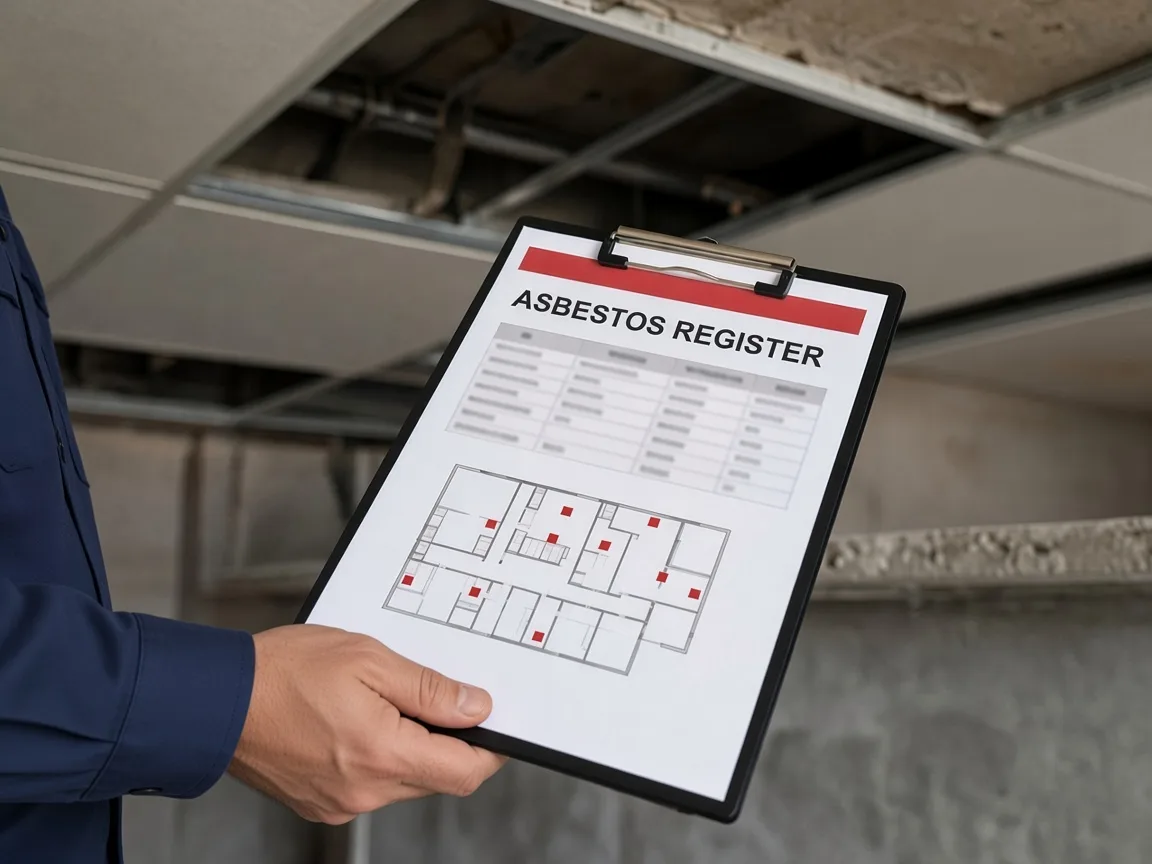
What this service includes

Inspection
We inspect the workplace or commercial property and record where asbestos, or suspected asbestos, is found or assumed.

Laboratory testing
Where a sample will help, we take it and arrange analysis through a NATA-accredited laboratory. Testing is explained in asbestos testing.

Register and plan documents
We prepare the asbestos register and, where asbestos has been identified or assumed, or is likely to be present, the written management plan.

Where we work
We carry out this work on the Gold Coast and in Logan, the Tweed and the Northern Rivers, travelling from our Arundel depot.
Who needs a register and a management plan?
In Queensland, the person with management or control of a workplace must keep an asbestos register, unless a specific exception applies. A written asbestos management plan is required if asbestos has been identified or assumed, or is likely to be present, at the workplace. These register and plan duties in the Queensland Work Health and Safety Regulation 2011 do not apply to a workplace that is domestic premises. The circumstances and use of the property matter.
Queensland workplaces
A register is not required if all three of these conditions are met: the workplace is a building constructed after 31 December 1989, no asbestos has been identified at the workplace, and no asbestos is likely to be present from time to time. If a register is kept and no asbestos is identified or likely to be present, the register must say so. Official guidance is on the Queensland Government page Asbestos registers for workplaces.
New South Wales workplaces
SafeWork NSW guidance uses a later construction date. A register is not required if all three of these conditions are met: the workplace was a building constructed after 31 December 2003, no asbestos has been identified, and no asbestos is likely to be present from time to time. A written management plan is required if asbestos has been identified or assumed, or is likely to be present from time to time. That wording follows the approved New South Wales code of practice, which quotes clause 429 of the Work Health and Safety Regulation. See the SafeWork NSW asbestos registers and management plans fact sheet and the How to manage and control asbestos in the workplace code of practice.
Residential rentals and domestic premises
Domestic premises are generally outside these workplace register requirements, but the circumstances and use of the property matter. Official Queensland guidance for residential tenants, lessors and landlords is that many houses built before 1990 may contain asbestos, and that if it is damaged or is to be removed it is usually the landlord’s or agent’s responsibility to make the property safe and keep it in good repair. New South Wales rental guidance is similar: the owner is responsible for maintaining the property, including managing asbestos-containing materials, but that is not the same as a workplace register duty. For a longer explanation, read Do landlords, property managers and workplaces need an asbestos register and management plan? If you are buying a property, we also offer pre-purchase asbestos inspections. Property managers who look after a rent roll can also join our asbestos compliance program.
Inspection, sampling and laboratory testing
Inspection and testing are a vital part of preparing a useful register. A visit lets us look at the building, note accessible materials, and record locations, types and condition. That information goes into the register and helps shape the management plan, including how the material should be labelled, accessed or later removed. The inspection covers parts of the property that can reasonably be reached and viewed during the visit. Areas that cannot be accessed at that time may need to be assumed, recorded in the register, or inspected later.
Not every material has to be sampled. Queensland law allows asbestos to be assumed where a competent person reasonably believes material is asbestos, or where part of the workplace is inaccessible and is likely to contain it. Assumed asbestos is treated as identified and must be recorded in the register. Sampling is a way to confirm what a particular material is. It is not a legal requirement for every item.
Where a sample is taken, we arrange analysis through a NATA-accredited laboratory. The laboratory result applies to the material that was sampled. A negative result does not prove that the rest of the property is free of asbestos. Further suspect, inaccessible or unsampled areas may still need to be assumed, managed or tested later.
Read more about our asbestos testing process, or book an inspection.
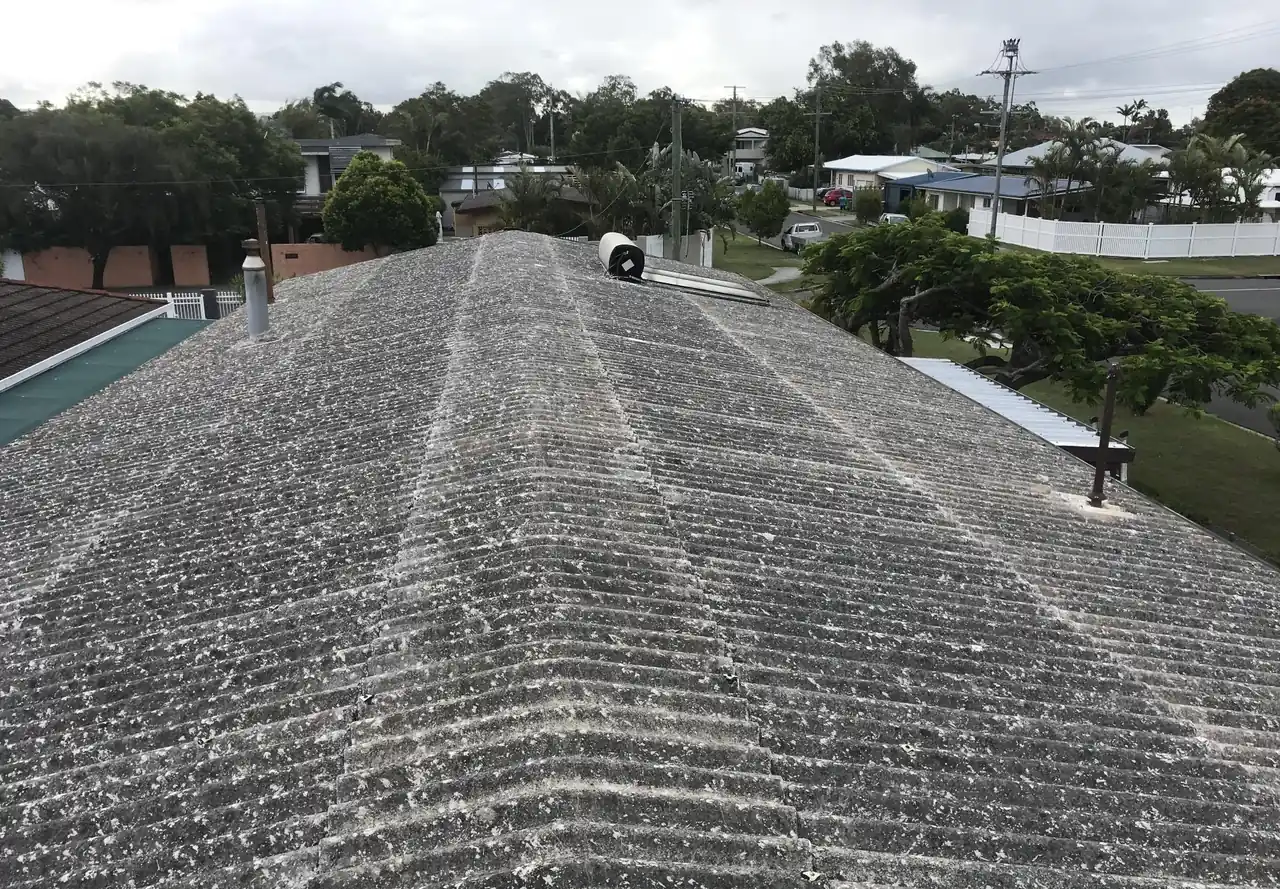
Roof sheeting is one type of material that may need to be identified and recorded in an asbestos register.
What the register and the management plan include
The register and the plan are related, but they are not the same document and they are not reviewed on identical grounds.
The asbestos register
The register lists asbestos or asbestos-containing material that has been identified at the workplace, or that is likely to be present from time to time. It includes the date it was identified and the location, type and condition of the material. It can also record assumed asbestos. If no asbestos is identified or likely to be present, the register must state that.
In Queensland, the person with management or control of the workplace must keep the register up to date. The Regulation requires the register to be reviewed and, as necessary, revised if the management plan is reviewed, if further asbestos is identified, or if asbestos is removed, disturbed, sealed or enclosed. Official Queensland guidance also advises reviewing the register at least once every five years. Before demolition or refurbishment (not including minor or routine maintenance) of a building constructed before 31 December 1989, or of certain other structures or plant installed before 31 December 2003, the register must be reviewed and, if it is inadequate for that work, revised. A copy must be given to the person carrying out that work.
The asbestos management plan
The plan is required if asbestos has been identified or assumed, or is likely to be present. It refers to the register and to signs or labels, sets out decisions and reasons for how the asbestos will be managed, describes incident and emergency procedures, and covers consultation, responsibilities and training for workers who may carry out work involving asbestos.
In Queensland, the plan must be reviewed and, as necessary, revised at least once every five years. It must also be reviewed if the register or a control measure is reviewed; if asbestos is removed, disturbed, sealed or enclosed; if the plan is no longer adequate; or if a health and safety representative requests a review in the circumstances set out in the Regulation. Official guidance on plans is on Asbestos management plans.
In New South Wales, the approved code of practice, quoting the Regulation, also requires a written plan if asbestos has been identified or assumed present, or is likely to be present from time to time. SafeWork NSW says the plan must be reviewed at least every five years, or sooner if a health and safety representative requests it, or if asbestos is removed, disturbed, sealed or enclosed.
Why choose Coastal Asbestos Removal
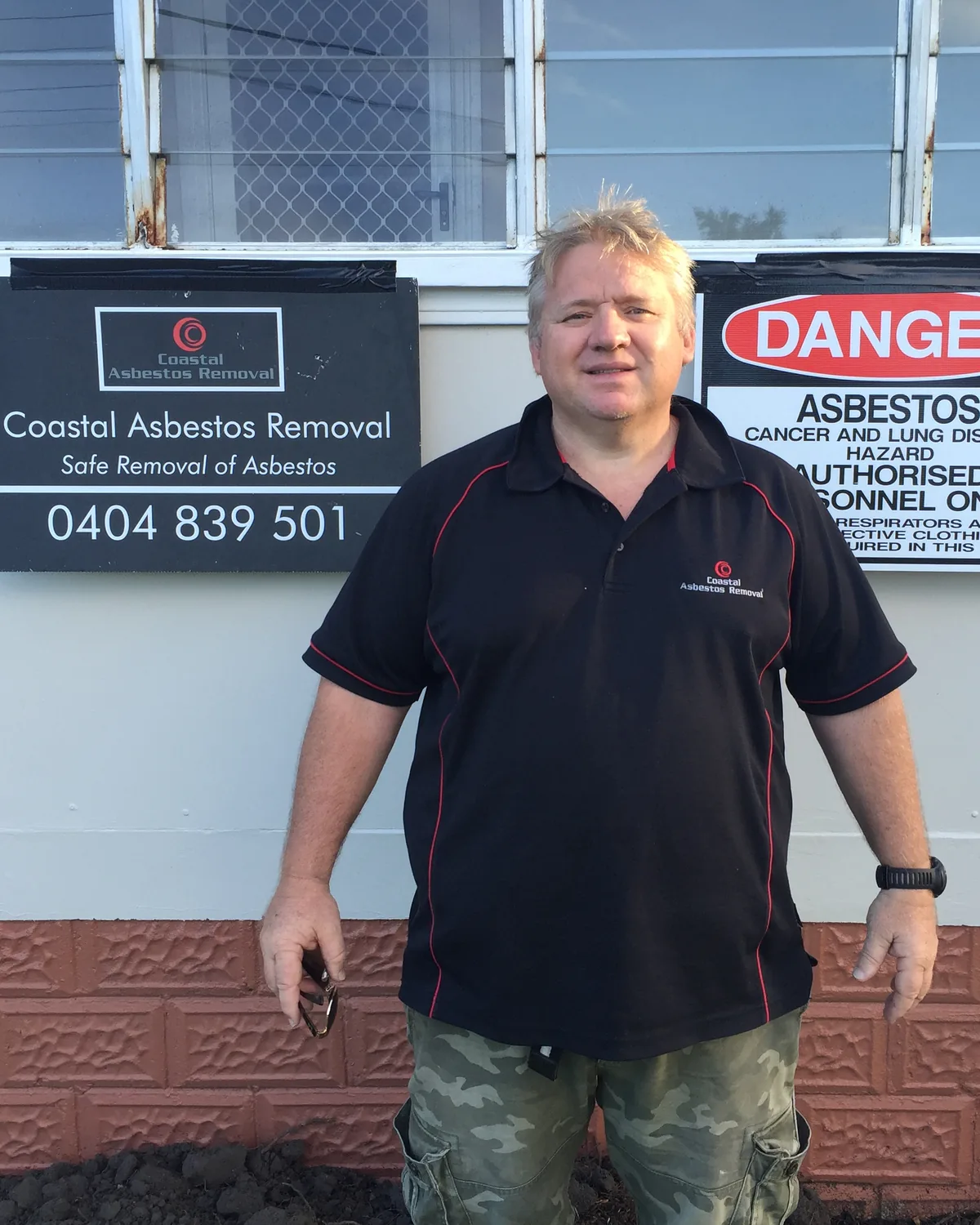
When you call Coastal, you deal with Jason Spaull, the owner. Jason has been in the industry for over 30 years and has overseen more than 20,000 jobs in that time, so there isn’t much he hasn’t seen. He still comes out himself to prepare asbestos registers and management plans, and he’ll take the time to explain what’s on your site and what it means for you.
Over the years he’s prepared registers for Vibe Hotel Surfers Paradise, Department of Transport NSW, QLD Parks and Wildlife, Cherrabah Resort Elbow Valley QLD, Armaguard Nerang, Gold Coast Community Legal Centre, Potts Lawyers Southport, MOB Academy Southport campus and many more commercial properties.
Jason has also helped out when it mattered most, including the 2011 Brisbane floods, the 2022 Lismore floods and multiple hail events. He’s worked on domestic, commercial, civil and many government jobs, and you can read about some of them in our blog.
He’s passionate about helping people understand asbestos. He’s made over 300 videos for our YouTube channel, and Channel 7 Gold Coast, Channel 9 Gold Coast and the Gold Coast Bulletin have all asked him for expert advice.
If your workplace or property needs a register or management plan, give Jason a call on (07) 5570 3706 or get in touch through our contact page.
Book your asbestos register and management plan

Stay up to date
Registers and plans need to be kept current. The legal review triggers for each document are different, and they are set out above.

Work across our service areas
We prepare registers and plans for workplaces on the Gold Coast and in Logan, the Tweed and the Northern Rivers.

Testing informs the documents
Inspection findings and, where taken, laboratory results help locate materials and decide how they should be managed. See asbestos testing.

Talk to us
Call (07) 5570 3706 or contact us to discuss a workplace or commercial property.
Frequently asked questions
Who needs an asbestos register in Queensland?
The person with management or control of a workplace must keep a register, unless all three exception conditions apply: the workplace is a building constructed after 31 December 1989, no asbestos has been identified, and no asbestos is likely to be present from time to time. These register and plan duties do not apply to a workplace that is domestic premises. See Asbestos registers for workplaces and the Work Health and Safety Regulation 2011.
How do the New South Wales rules differ?
The workplace duty is similar, but SafeWork NSW uses 31 December 2003 as the construction date in the exception, still with all three conditions. A written management plan is required if asbestos has been identified or assumed, or is likely to be present from time to time. Our Queensland Class B licence is recognised for licensed work in New South Wales under cross-border arrangements. We do not hold a separate New South Wales asbestos licence. See the SafeWork NSW fact sheet and the New South Wales code of practice.
Do domestic landlords have to keep a workplace asbestos register?
Not automatically. Domestic premises are generally outside these workplace register requirements, but the circumstances and use of the property matter. Official Queensland guidance for residential tenants, lessors and landlords is that many houses built before 1990 may contain asbestos, and that if it is damaged or is to be removed it is usually the landlord’s or agent’s responsibility to make the property safe and keep it in good repair. New South Wales rental guidance is similar: the owner is responsible for maintaining the property, including managing asbestos-containing materials, but that is not the same as a workplace register duty. For a longer explanation, read Do landlords, property managers and workplaces need an asbestos register and management plan?
Does every material have to be sampled?
No. A register must record identified or assumed asbestos, including inaccessible areas that are likely to contain it. Sampling particular materials can confirm what they are, and those results help complete the register and the plan, but the law does not require every material to be sampled. A negative laboratory result applies to the sample taken. It does not prove that the whole property is free of asbestos. See our asbestos testing page.
Further official reading: the Work Health and Safety Act 2011, the Work Health and Safety Regulation 2011, the Code of Practice: How to Manage and Control Asbestos in the Workplace, and the Code of Practice: How to Safely Remove Asbestos.
Leave us a Google Review


