


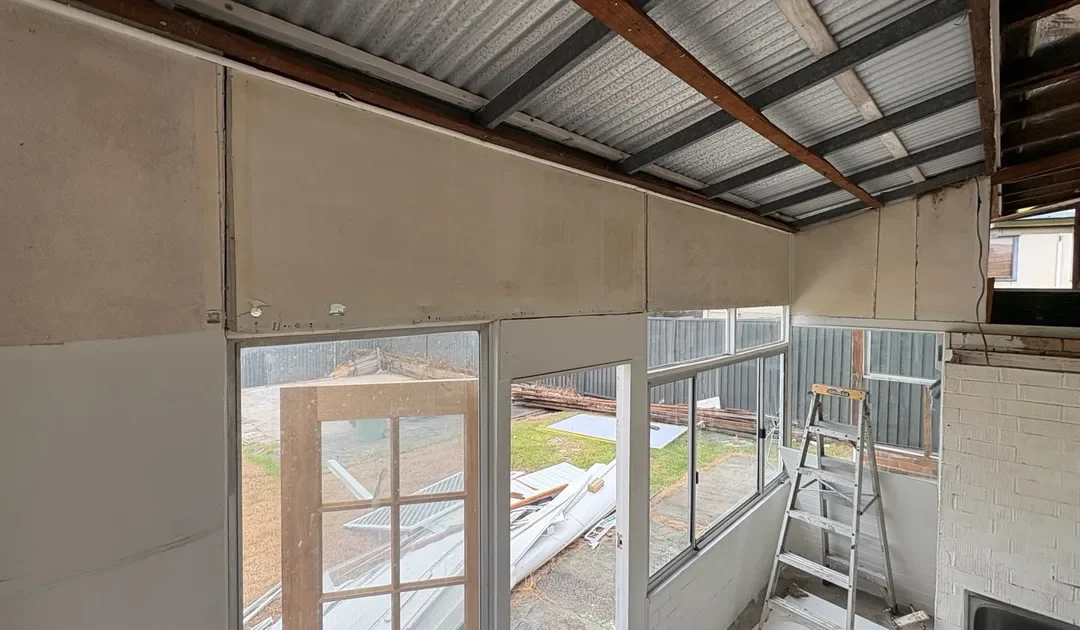
When Was Asbestos Banned in Australia? What It Means for Your Gold Coast Home
By Jason Spaull, Coastal Asbestos Removal, Arundel, Gold Coast QLD. Our team has over 30 years experience in asbestos removal. Last updated: 5 November 2026. Dates and guidance are from the Queensland Government’s asbestos website, asbestos.qld.gov.au.
Short answer: It happened in two stages. According to the Queensland Government’s asbestos website (asbestos.qld.gov.au), asbestos was used in building products between the 1940s and the late 1980s, and the manufacture and use of all asbestos products was banned nationally from 31 December 2003. That ban doesn’t cover asbestos already installed, so many Gold Coast homes built before 1990 still have it.
We get asked this one a lot, usually by someone halfway through planning a reno. “Asbestos was banned in the 80s, wasn’t it? The house was built in ’88, so it’s fine.” Not always. There was the building-industry phase-out in the 1980s, and then the full national ban in 2003. Here’s the straight version.
Key takeaways
- Two stages: asbestos was used in building products from the 1940s to the late 1980s, then all asbestos products were banned nationally from 31 December 2003 (Queensland Government, asbestos.qld.gov.au).
- The ban stopped new asbestos going in. It doesn’t say you have to rip out what’s already in your home.
- Queensland Government guidance: built before the mid-1980s, asbestos is highly likely. Mid-1980s to 1990, it’s likely.
- Houses from the 1990s and early 2000s can still have asbestos cement products in them.
- You can’t pick asbestos by eye. A sample tested by a NATA-accredited laboratory is how you find out for sure.
- Coastal Asbestos Removal is a Class B licensed asbestos removal business based in Arundel on the Gold Coast.
When exactly was asbestos banned in Australia?
The full national ban started on 31 December 2003. According to the Queensland Government’s asbestos website, the ban covers the manufacture, supply, storage, sale, use, re-use, installation and replacement of asbestos. Before that, the same site says asbestos was a building material used in the building industry “between the 1940s and late 1980s”.
(asbestos.qld.gov.au: What is asbestos?)
That’s why you hear two dates. In the building game, asbestos products were phased out through the 1980s. That’s the “it was banned in ’85” you hear on site. But stock could still be sold and installed, other products kept using asbestos, and the total ban didn’t land until 31 December 2003. Some of our own early blogs gave 1985 as the ban date. The Queensland Government’s dates above are the ones to go by.
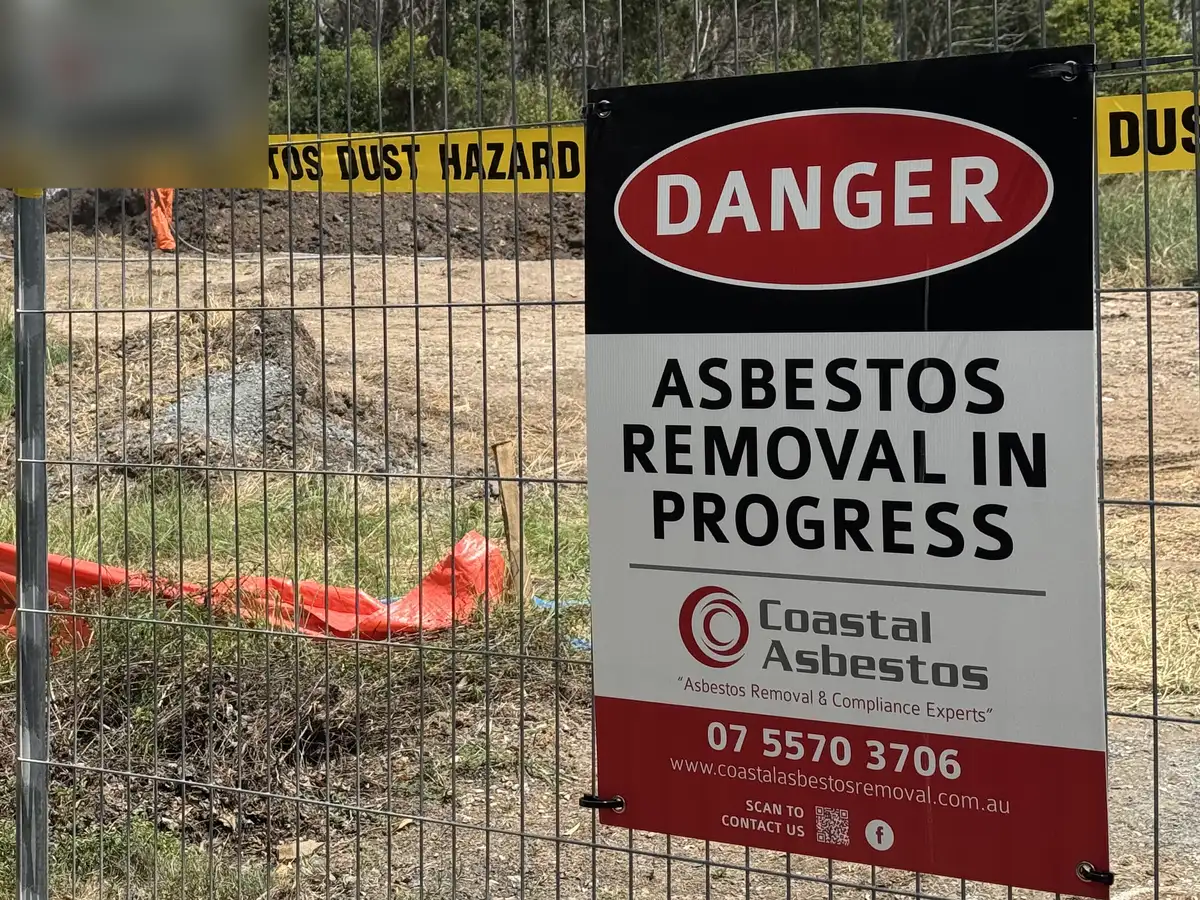
Was asbestos banned at a different time in Queensland?
No. According to asbestos.qld.gov.au, Queensland runs on the same national ban from 31 December 2003. There’s no separate Queensland date. What Queensland does have is its own rules for how asbestos that’s already in homes and workplaces gets managed, removed, transported and disposed of. Those sit under the Work Health and Safety Regulation 2011 and the Public Health Act 2005.
Put simply, the ban date tells you when asbestos stopped going in. It doesn’t tell you if it’s ever come out of your place.
Does my house have asbestos if it was built before 1990?
Probably, yes. As a general rule, the Queensland Government’s asbestos website says a house built before the mid-1980s is highly likely to have asbestos-containing materials, and one built between the mid-1980s and 1990 is likely to. Asbestos went into more than 3,000 products, and it’s estimated to be in about one in three Australian homes.
(Queensland Government; homeowner FAQs)
On the Gold Coast that’s a lot of houses. Old fibro beach shacks and post-war homes around Southport, Labrador, Palm Beach, Burleigh Heads, Miami and Coolangatta. Then the 70s and 80s brick-and-tile homes through Mermaid Waters, Broadbeach Waters and Ashmore.
Where we usually find it:
| Spot | What it tends to be |
|---|---|
| Eaves and gables | Flat fibro (asbestos cement) sheeting |
| Bathrooms and laundries | Fibro wall sheeting behind the tiles |
| Roofs | Corrugated “Super Six” cement sheeting |
| Ceilings and walls | Flat sheeting and cover strips |
| Floors | Vinyl tiles, vinyl sheet backing, some old glues |
| Outside | Fences, sheds, carports, downpipes and pipes |
There’s more detail in our guides to what asbestos looks like and asbestos in older bathrooms.
Can a house built in the 1990s or 2000s still have asbestos?
Yes, it can. It’s just less likely. According to asbestos.qld.gov.au, a house built after 1990 is highly unlikely to have asbestos, but some homes built in the 1990s and early 2000s still used asbestos cement products until the total ban in December 2003. Renovations can also hide old asbestos behind newer sheeting.
We’ve seen this first-hand. Samples from a house built in 1992 came back positive. We’ve also pulled asbestos out of an in-ground pool lining from 1996. Two traps catch people out:
- Sheeted-over fibro. A past renovator lines straight over the old sheeting instead of taking it off. The wall looks new. The asbestos is still sitting behind it.
- Mixed-age houses. A 1998 extension tacked onto a 1975 house. Same address, very different risk.
So don’t write a house off as “too new”. If it was built or renovated before 2004 and you’re about to cut, drill, sand or knock anything down, get it tested first.
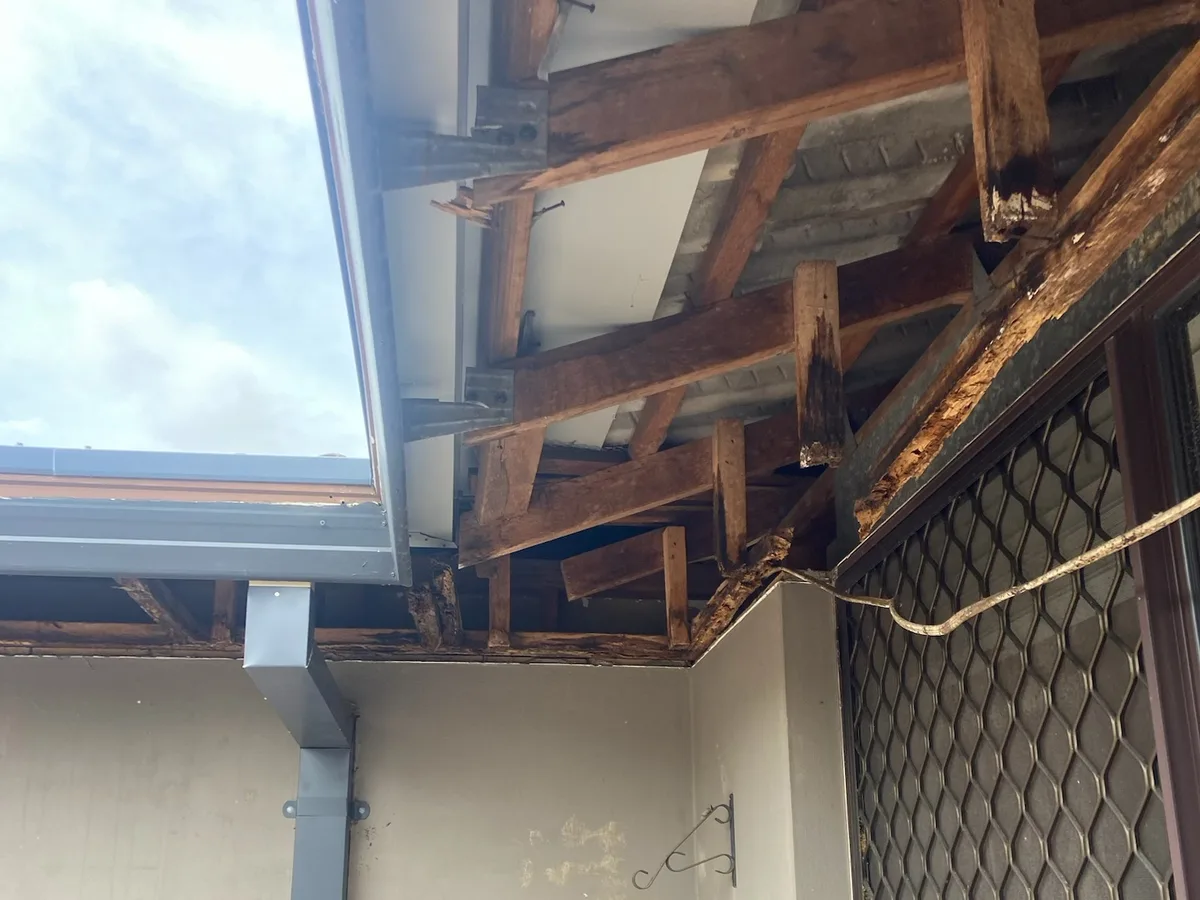
Do I have to remove asbestos now that it’s banned?
No. The ban doesn’t make you remove asbestos that’s already in your home. Asbestos in good condition that’s left alone is generally low risk. The trouble starts when it’s damaged, weathered or disturbed by cutting, drilling, sanding, water blasting or demolition. That’s when fibres get released, and you won’t see them.
If it does need to come out, it’s a job for licensed, trained, insured professionals, not the handyman. In Queensland, asbestos removal is regulated by WorkSafe Queensland.
How do I find out if my home has asbestos?
Get a sample taken and tested by a NATA-accredited laboratory. The Queensland Government’s asbestos website is clear on this: you can’t tell if something contains asbestos just by looking at it. A licensed professional takes the sample safely, gets it tested and tells you what’s there, where it is and what condition it’s in, before any work starts.
The easy order to do it in:
- Check when the house was built, plus any renos you know about.
- Leave suspect materials alone. No drilling, sanding or water blasting.
- Get it tested. Book an asbestos inspection and test before you renovate, demolish or buy.
- Get it removed properly by a licensed removalist if the work will disturb it.
Buying an older place? A pre-purchase asbestos inspection can save you a nasty surprise after settlement.
How Coastal Asbestos Removal can help
Coastal Asbestos Removal is a Class B licensed asbestos removal business (QLD licence 2310863) based at 2/54 Newheath Drive, Arundel, on the Gold Coast. We’re licensed in Queensland, and our NSW work runs under cross-border recognition of that licence. We work across the Gold Coast, Tweed, the Logan fringe (including Beenleigh and Eagleby) and Tamborine.
- Over 30 years experience across our team, with Class A and B trained technicians.
- Award-winning, and a finalist in the Australian Trades Small Business Champion Awards 2026.
- Class B licensed for non-friable asbestos. Friable work is done through our Class A licensed partner.
- Our own trucks and tipper trailers. Your asbestos is wrapped up and taken away, so there are no skips full of asbestos left on site.
Not sure what’s in your walls? Get it tested before you start. Call (07) 5570 3706 (Monday to Friday, 9am to 4pm), email admin@coastalasbestos.com.au, or request a quote on our contact page.
Frequently asked questions
When was asbestos banned in Australia?
According to the Queensland Government’s asbestos website, asbestos was used in Australian building products between the 1940s and the late 1980s, and the manufacture and use of all asbestos products was banned nationally from 31 December 2003.
When was asbestos banned in Queensland?
Queensland follows the national ban from 31 December 2003. There’s no separate Queensland date, but Queensland has its own laws on how existing asbestos is removed, transported and disposed of.
Is my house too new to have asbestos?
The Queensland Government’s asbestos website says homes built after 1990 are highly unlikely to have asbestos. But some homes built in the 1990s and early 2000s used asbestos cement products until the 2003 ban, so testing is the way to know for sure.
Do I have to remove asbestos from my home?
No. The ban doesn’t make you remove asbestos already in your home. Asbestos in good condition that won’t be disturbed is generally low risk. Get it tested before any renovation, drilling or demolition.
Can I tell if something is asbestos by looking at it?
No. You can’t confirm asbestos by sight. A sample needs to be tested by a NATA-accredited laboratory.
Sources
All dates and home-age guidance in this post are from the Queensland Government’s asbestos website, asbestos.qld.gov.au.
- Queensland Government, Frequently asked questions for homeowners and the general public
- Queensland Government, What is asbestos?
- Queensland Government, How was asbestos used?
- Queensland Government, Add a warning sticker to your home
- Queensland Government, Asbestos: a guide for minor renovation
- WorkSafe Queensland, Asbestos