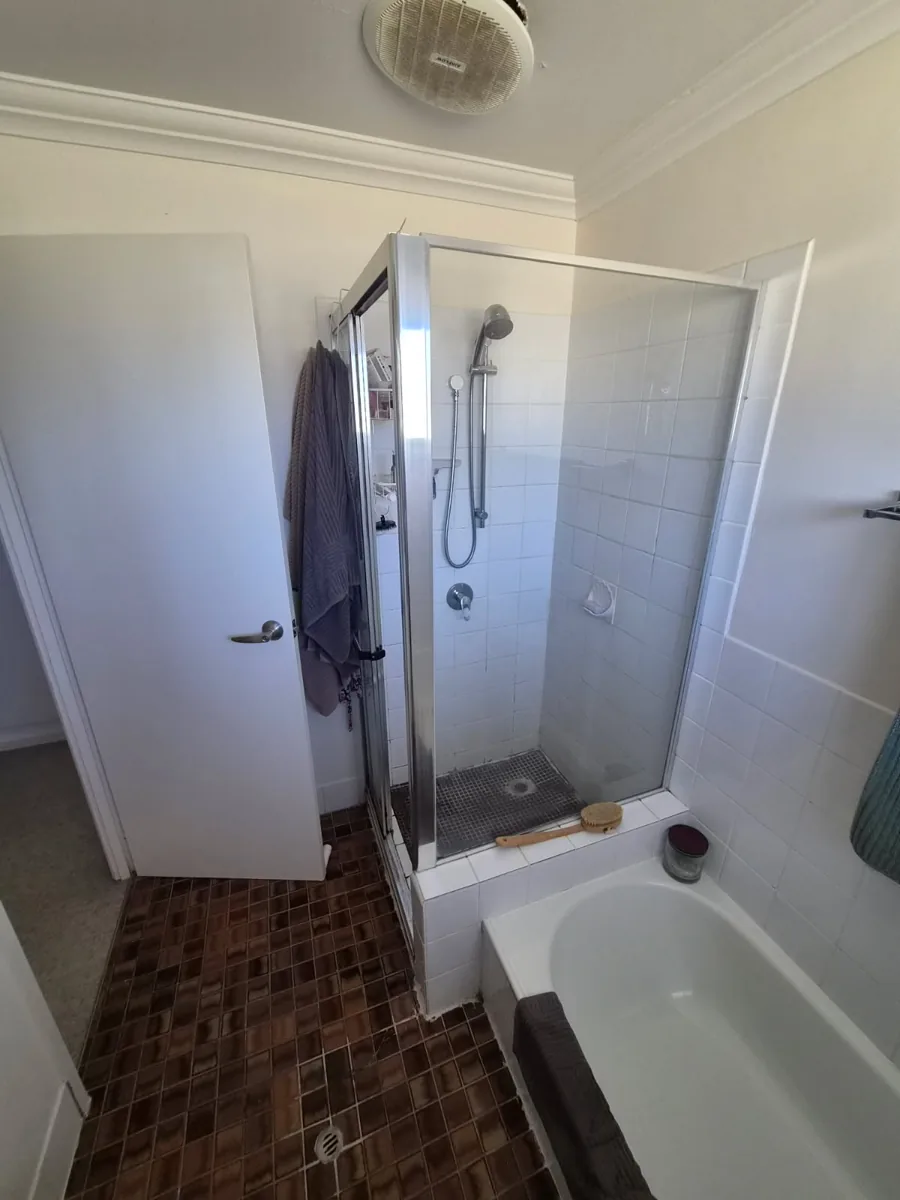
As a homeowner, it’s crucial to be aware of the materials used in your home, especially when it involves something as significant as asbestos sheeting. In this blog, we provide valuable insights into what asbestos sheeting is, the risks associated with it, and the importance of getting it tested.
What is Asbestos Sheeting?
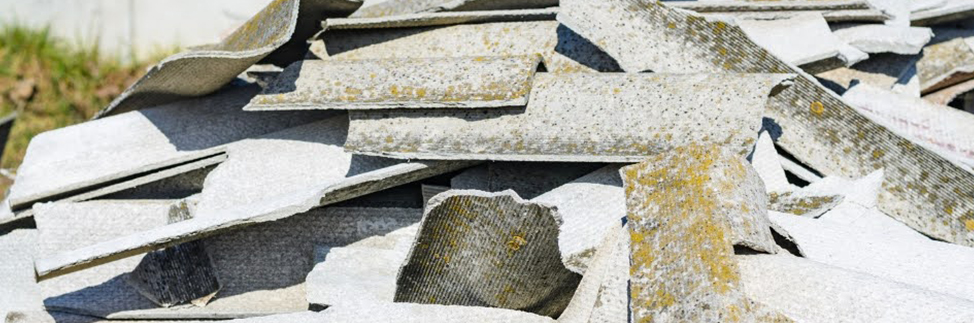
Asbestos sheeting, commonly found in walls, ceilings, and fences, is not pure asbestos but an asbestos-containing material (ACM). Its basic composition includes sand, cement, water, and about 15% asbestos fibres. Contrary to common belief, asbestos sheeting in homes is not 100% asbestos. For example, vinyl flooring can contain up to 90% asbestos, but the focus here is on the sheeting, which is generally considered non-friable ACM.
The Properties and Use of Asbestos
Asbestos, a naturally mined mineral, has remarkable properties. It is chemically inert, waterproof, heatproof, and fireproof, making it an ideal addition to building materials for its reinforcing and flexible qualities. Its widespread use in over 3,000 products was driven by these attributes and its affordability, especially in the post-World War II era in Australia.
Risks Associated with Asbestos Sheeting
The primary concern with asbestos sheeting arises when it is disturbed – through actions like drilling, cutting, or water blasting. In good condition, a wall with asbestos sheeting poses no risk. However, during renovations or even simple tasks like hanging a picture, there’s a chance of releasing asbestos fibres, which can be harmful.
The Importance of Testing
The only way to be certain about the presence of asbestos in your home is through professional testing. If you suspect your home has asbestos-containing materials, especially in cement-based sheeting, getting it tested is non-negotiable. This is crucial before any home renovation or modification to ensure safety.
Conclusion
Understanding the composition, use, and risks of asbestos sheeting in your home is essential. While asbestos sheeting, in its undisturbed state, is generally safe, the potential risks when disturbed cannot be ignored. Coastal Asbestos emphasises the importance of testing any suspected asbestos-containing materials in your home. This proactive approach ensures not only your safety but also that of your family and any professionals working on your home.
Don’t take chances with your family’s health. Contact Coastal Asbestos today for professional asbestos testing and removal services. Ensure peace of mind and a safer living environment. Call us or visit our website to schedule your consultation now.
Asbestos exposure poses serious health risks, and understanding how to act when you accidentally disturb or discover this hazardous material is crucial. Coastal Asbestos, the premier asbestos removal company based on the Gold Coast, shares expert advice on the steps to take to ensure safety and minimise risks.
Immediate Action is Key If you ever suspect you’ve accidentally damaged asbestos or come across any material that may contain it:
Stop: The first and most important step is to halt whatever you’re doing immediately.
Step Back and Stay Calm: Remember, the primary danger with asbestos is the release of its tiny fibres into the air. If a sheet containing asbestos is damaged, the fibres can be released and become airborne.
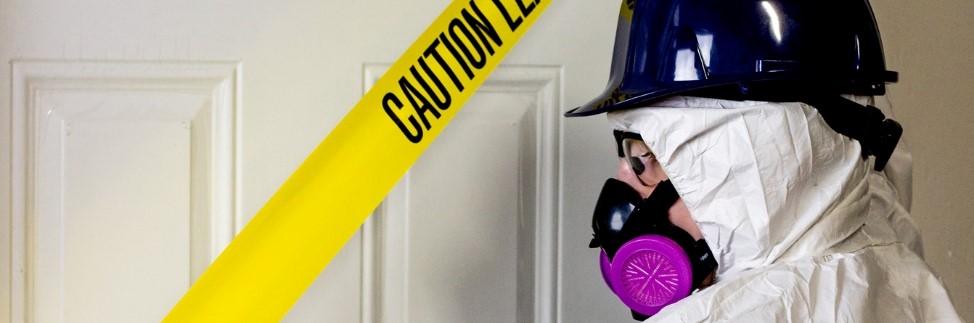
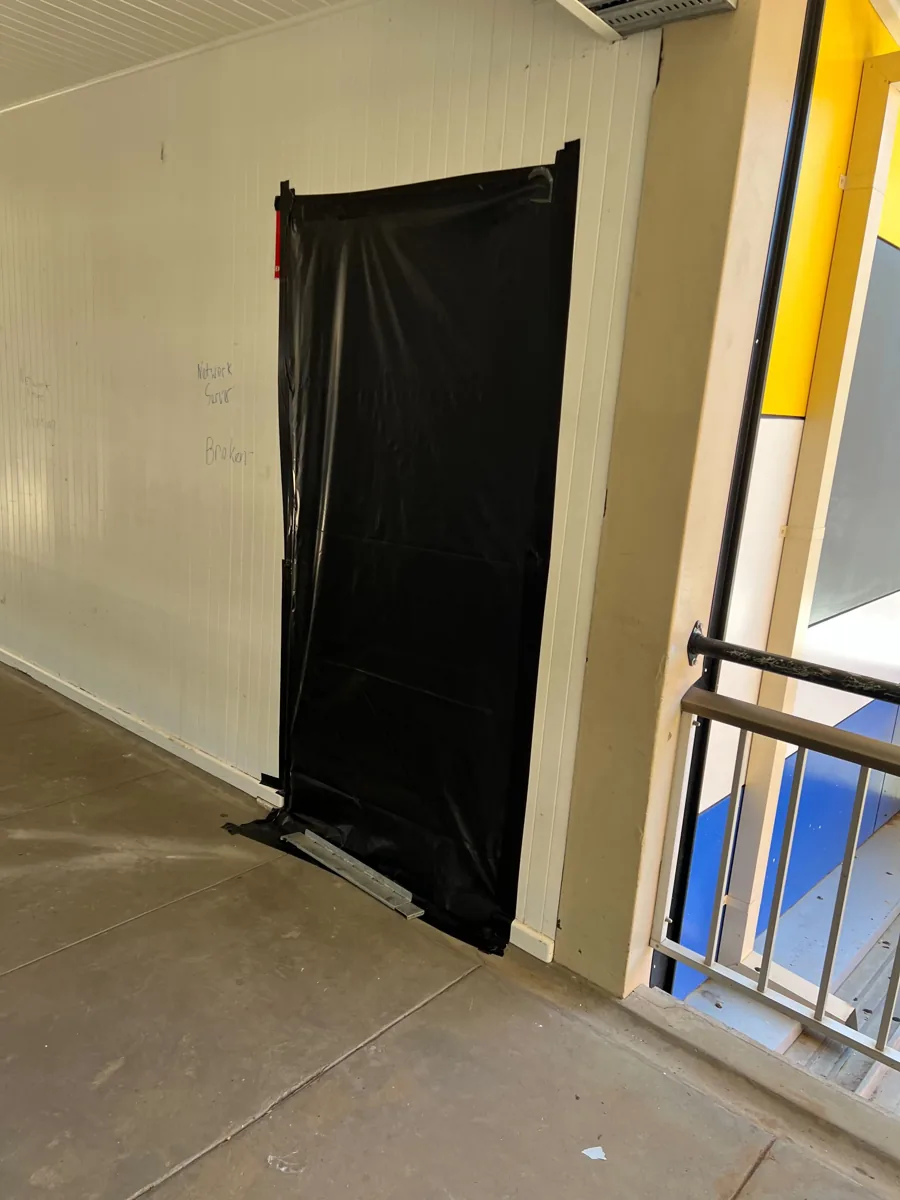
Isolate the Area: If you’re indoors, such as renovating a bathroom and you find suspicious material (or labels that mention asbestos or brands known to contain it like Hardiflex or Tilux), try to contain the exposure. Close doors, avoid removing anything from the affected space, and limit the movement of people in and out.
Protect Yourself: If you’ve been in direct contact with the disturbed material, head outside immediately. Remove contaminated clothing, leaving it on the ground. It’s essential to avoid washing these clothes; they should be safely disposed of. To minimise fibre spread, you can also dampen your clothing with a hose before removal.
Call Experts: It’s vital to reach out to asbestos professionals like Coastal Asbestos. With the help of hygienists, we can assess the spread of fibres and devise a plan for decontamination or disposal.
Understanding the Risks
While some may think asbestos exposure might not affect them due to age, the latency period for asbestos-related diseases can span decades. It’s not just about individual safety; it’s about the well-being of family members, especially young ones. Even minor renovations can lead to contamination of household items, from carpets to furniture, posing risks to everyone in the home. So, therefore, it’s essential for all people to take asbestos exposure and its associated risks very seriously.
In A Workplace Setting
Workplaces constructed before the 1990s (or even 2005 in some areas) typically maintain an asbestos register. If you encounter broken materials, this register can help verify if asbestos is present, making it easier to manage the situation.
Conclusion
Remember, asbestos exposure is a grave concern, but with prompt and appropriate action, risks can be mitigated. If you ever face such a situation, remember the golden rules: stop, remove yourself, isolate the affected area, and call professionals immediately. With this being said, the best thing you can do is call us before you start your renovation, demolition or other work to test the materials to avoid these scenarios.
Your safety and the safety of your loved ones is paramount. If you suspect asbestos disturbance, don’t hesitate. Contact Coastal Asbestos, the trusted experts in the South-East Queensland and North-East NSW regions. With our experience and state-of-the-art methods, we’ll ensure your environment is safe once again. Reach out to us today for a comprehensive asbestos assessment and solution.
By Jason Spaull, owner of Coastal Asbestos Removal. Jason has been in the asbestos industry for over 30 years. Last updated: 22 November 2026.
Short answer: Asbestos vinyl tiles are hard, bonded tiles glued straight to the floor in many pre-1990 homes. The glue can contain asbestos too. Old sheet vinyl and lino are different: the Queensland Government says their felt-like backing can be 80 to 100 per cent asbestos and is friable, so it’s a Class A job. Get any old floor tested before lifting it.
Floors are where renos get surprised. Someone pulls up the carpet in a 1970s place and there’s a speckled lino under it, or the bathroom tiles come off and there’s a dense grey sheet underneath. That’s often compressed sheet. It’s used on balconies and in wet areas like bathrooms and laundries. It’s very heavy, and sometimes we can’t remove it in full sheets, so it has to be wet cut out. That takes specific equipment, containment and training. And while the floor’s up, we also find what the owner never knew was there: termite damage, rotted framing, old water leaks. Better to know before the tiler turns up.
Floor stripped back after vinyl flooring removal on a flood job in Lismore
Key takeaways
Asbestos vinyl tiles contain 8 to 30 per cent asbestos in a tightly bonded matrix, have no backing, and are usually glued straight to the floor (Queensland Government).
The glue under those tiles may also contain asbestos (Queensland Government).
Old sheet vinyl and lino can have a felt-like backing that’s typically 80 to 100 per cent asbestos and friable, often under a terrazzo-style pattern (Queensland Government).
Friable backing must be removed by a Class A licensed removalist. We arrange that through our Class A licensed partner.
You can’t confirm any of it by eye. Get a sample tested by a NATA-accredited laboratory.
Coastal Asbestos Removal holds a Class B asbestos removal licence (2310863) from Workplace Health and Safety Queensland and is based in Arundel on the Gold Coast.
Do vinyl floor tiles contain asbestos?
Many older ones do. The Queensland Government says asbestos vinyl tiles contain 8 to 30 per cent asbestos in a tightly bonded matrix, have no backing, and are usually glued straight to the floor. They were common in Queensland houses before 1990. Not every vinyl tile has asbestos, and you can’t tell which by looking, so test first.
Because they’re bonded, intact tiles left alone are low risk. The trouble starts when someone breaks, sands or scrapes them up. They show up in kitchens, halls, laundries and a lot of older commercial floors.
What does asbestos lino look like?
Asbestos lino looks like ordinary old sheet flooring, often with a colourful terrazzo or stone-chip pattern. The asbestos isn’t in the top layer. The Queensland Government says it’s in the felt-like backing underneath, typically 80 to 100 per cent asbestos, and it’s friable. It’s most often found in buildings constructed before the mid-1980s, and it’s a Class A removal.
If you’ve lifted a corner and seen grey or green felt-like backing, stop there. Don’t keep pulling. Friable material releases fibres far more easily than bonded sheet, which is why the law limits it to Class A removalists.
Does the glue under old floor tiles contain asbestos?
It can. The Queensland Government notes the glue used to stick asbestos vinyl tiles down may also contain asbestos. Old black tile glue, often called blackjack, and yellow emulsion glue can both contain it, or be contaminated by the tiles above. You can’t tell by looking, so the glue needs its own sample tested.
Grinding glue off a slab is a much bigger job than lifting tiles, because it can turn bonded material into dust. Our older post on asbestos glues and vinyl floor tiles has photos of both glue types.
What is compressed asbestos flooring?
Compressed asbestos sheet is a dense, very heavy fibre cement board laid under floor tiles, mainly in bathrooms, laundries and on balconies. You won’t see it until the tiles come up. It’s bonded, so a Class B licence covers it, but it’s hard to remove cleanly. Sometimes it can’t come out in full sheets and has to be wet cut.
That’s where equipment and training matter. Wet cutting needs proper containment, and the weight means planning how it gets from the bathroom to the truck. That path is part of every job we plan.
What shouldn’t I do with an old vinyl or lino floor?
Don’t sand it, grind it, scrape it, or rip it up to see what’s underneath. Don’t put a new floor over it with fixings that drill through it, either. The Queensland Government prohibits power tools without dust control on asbestos materials. If the floor’s intact and you’re not renovating, leaving it alone is fine. If you are renovating, test first.
Pulling up the lino is the classic mistake, because that’s what breaks up the friable backing. Testing is a small step compared with cleaning up a contaminated house. Can I remove asbestos myself? explains why lino backing is never a DIY job.
How does removal of an asbestos floor actually run?
It starts with testing, so we know which layers have asbestos, and if any are friable. Bonded tiles and compressed sheet are Class B work, which we do. Friable lino backing goes to our Class A licensed partner. On the day, the area is sealed off, the material is removed and wrapped, and waste goes on our own EPA-registered trucks.
Every job starts with a pre-start meeting and a plan for the shortest safe path from the room to the truck. Neighbours are told before work starts, and the area is fenced off with signs. After removal, the area is decontaminated and an encapsulation spray is applied. For wet areas, see asbestos bathroom removal.
Bathroom with floor tiles before a strip-out in Nerang
Asbestos flooring at a glance
Material
Where you’ll find it
Bonded or friable
Who removes it
Vinyl asbestos tiles
Kitchens, halls, laundries, commercial floors
Bonded (8–30% asbestos)
Class B licensed removalist
Tile glue (black or yellow)
Under vinyl tiles
Can contain asbestos; test it
Depends on result and method
Sheet vinyl or lino backing
Under older sheet flooring, often terrazzo pattern
Friable (80–100% asbestos)
Class A licensed removalist only
Compressed sheet
Under bathroom, laundry and balcony tiles
Bonded
Class B licensed removalist
Felt carpet underlay (some types)
Under old carpet
Friable
Class A licensed removalist only
Sources: Queensland Government, asbestos.qld.gov.au (Asbestos flooring fact sheet, “How was asbestos used?”, homeowner’s certificate page); Jason’s 18 Nov 2026 interview.
Frequently asked questions
Can I lay new flooring over asbestos vinyl tiles?
Sometimes leaving intact tiles in place is the lowest-disturbance option, but get them tested and talk to us first. Anything that cuts, drills or sands them is out.
My floor tiles came up and there’s black glue. Is it asbestos?
It might be. The Queensland Government says the glue under asbestos vinyl tiles may contain asbestos. Stop work, keep everyone out of the area, and get a sample tested.
Is old carpet underlay asbestos?
Some can be. The Queensland Government says some felt carpet underlay is considered friable asbestos and must only be removed by a Class A licensed removalist.
From our own jobs, we’ve also come across old hessian underlay that was made from recycled sacks once used to carry asbestos. We treat that as asbestos too until it’s tested.
Did you find asbestos flooring after the floods?
Yes. Our job records include several flood jobs involving vinyl flooring and floor tiles, including after the 2022 Northern Rivers floods. Water-damaged flooring is a common insurance job. See our asbestos insurance guide.
How do I know if my floor has asbestos?
Age is the first clue. The Queensland Government says buildings from before the mid-1980s are highly likely to have asbestos materials. The only way to confirm it is a NATA-accredited laboratory test. Book asbestos testing.
Who we are
Coastal Asbestos Removal is a Class B licensed asbestos removal business (Workplace Health and Safety Queensland licence 2310863) based at 2/54 Newheath Drive, Arundel, on the Gold Coast. We work across Brisbane (CBD, inner suburbs and southside), Moreton Bay, Logan, the Gold Coast, Tweed and the Northern Rivers. NSW work is done under cross-border recognition of our Queensland licence, following SafeWork NSW requirements. Owner Jason Spaull has been in the industry for over 30 years. Samples go to a NATA-accredited laboratory, and friable work is done through our Class A licensed partner.
Bottom line: if the floor’s older than 1990, test every layer before anyone lifts it.
Email admin@coastalasbestos.com.au or request a quote. Prefer to talk? Call (07) 5570 3706, Monday to Friday, 9am to 4pm. AI call answering, after hours too.
As industry leaders with extensive experience in asbestos inspection, removal, and disposal, our mission at Coastal Asbestos is to equip you with knowledge about the hazardous nature of asbestos. In this blog, we delve into the critical topic of friable and non-friable asbestos, to equip you with the knowledge you need to make informed decisions to protect your family or workspace.
Although both friable and non-friable asbestos present large health risks, friable asbestos is particularly dangerous. According to WorkSafe Australia, if an asbestos-containing material can be crushed into a powder by hand, it’s deemed as friable. The brittle nature of friable asbestos means it is more susceptible to releasing airborne fibres, which represents a greater risk to your health.
A prime example of friable asbestos is asbestos rope, which was used historically to pack around pipes in the walls. Similarly, the notorious “Mr. Fluffy” insulation found in Australia (covered in our last blog) is another example of friable asbestos. However, things can get a little tricky with a substance known as low-density board (LDB). To an untrained observer, LDB, which comes in sheet form, might seem like typical non-friable asbestos. However, due to its high asbestos content, if disturbed, it behaves more like friable asbestos, presenting a higher risk.
On the other hand, non-friable asbestos, also known as bonded asbestos, typically contains about 10 to 15% asbestos by volume. It is often found within a matrix of concrete or vinyl tiles, mixed in for added strength and durability. However, certain non-friable materials, such as bonded asbestos, can become friable under specific conditions. For instance, if you cut bonded asbestos with a grinder or if the asbestos is burnt in a fire, it’s now considered friable.
Many homes contain non-friable asbestos, but a significant number also contain friable asbestos. While the terminology may seem complex, by distinguishing between these two types of asbestos, you can make informed decisions about potential risks in your environment, particularly in the process of renovating or demolitioning your property.
Despite this, the key takeaway from this blog is that any asbestos, whether friable or non-friable, can pose health risks when disturbed. That’s why if you encounter a material in your home you suspect may contain asbestos, don’t risk it – call in the experts. Prevention is always better than cure, and in the case of asbestos, expert handling is crucial. It’s never too late to call in the professionals, but the ideal time is before you begin any renovation or demolition work.
If you’re looking for the experts in identifying, removing & safely disposing of both friable and non-friable asbestos, then look no further than Coastal Asbestos. We are fully licensed and equipped to remove all asbestos to protect you and your family. Get into contact with us today and ensure the safety of your family and workplace during your renovation or demolition.
Asbestos removal has seen remarkable progress over the years, but the journey hasn’t been without its pitfalls and important learning experiences. One such crucial chapter in this journey involves the infamous Mr. Fluffy case, which we, at Coastal Asbestos– Gold Coast and Brisbane’s premier asbestos removal company – often reflect upon to emphasise the importance of thorough, expert-driven asbestos management.
Back in the 1970s, a peculiar event unfolded in Canberra and surrounding areas. A contractor, now known as Mr. Fluffy, was engaged in installing insulation in homes using pure amosite, a form of brown asbestos. Asbestos, known for its fluffy, lightweight, and durable nature, was widely used for insulation purposes, considering its incredible heat resistance and electrical conductivity. However, the dangerous health implications of asbestos were not fully understood at this time.
Mr. Fluffy’s method involved blasting the insulation material into ceiling cavities, creating an insulating layer that was efficient, thanks to its thoroughness, but extremely dangerous. An important distinction to make here is that Mr. Fluffy’s asbestos insulation is a separate product to ‘Cool and Cozy,’ which is a similar insulating product made from shredded newspaper and a fire retardant. This product came into use post-1995, and does not contain asbestos.
As the harmful effects of asbestos became widely known, a rigorous asbestos removal program was initiated in Canberra and New South Wales during the 1990s. Homes suspected to have been insulated by Mr. Fluffy were put through decontamination processes that were stringent for their time, including tenting and vacuuming procedures, aiming to extract as much asbestos as possible.
Although it was believed the houses were decontaminated, in the early 2000s it was found that the efforts made were insufficient, as some of the homes still contained traces of the hazardous material. Asbestos, when used as blown-in insulation, permeates every nook and corner of a space, making complete removal a monumental challenge.
Upon this discovery, the authorities deemed these homes unfit for habitation. Different states approached this issue differently – in New South Wales, these houses were demolished, while in Canberra, a buyback system was established where homeowners were compensated for their houses and given first preference to buy back the land for rebuilding post-demolition.
This event illustrates the importance of proper asbestos management and removal. At Coastal Asbestos, we are committed to offering comprehensive asbestos removal services that are not only in line with current safety regulations but also incorporate learnings from past incidents like the Mr. Fluffy case.
The tale of Mr. Fluffy serves as a sobering reminder of the potential dangers lurking in our homes or workplaces, making expert intervention to remove harmful materials such as asbestos all the more vital. If you’re concerned about the potential presence of hidden asbestos in your home or workplace, don’t take the risk. The team at Coastal Asbestos is here to help. We specialise in professional inspections, NATA laboratory tested samples, and safe asbestos removal. What’s more, we also provide comprehensive roof cavity and roof insulation removal services. Your safety is our priority, and we are committed to providing a hazard-free environment for you and your loved ones.
Today, we want to talk about planes, trains and automobiles, and shipping. Asbestos was widely used in all of these industries, because they were lightweight, fire resistant, chemical resistant, all of the things that manufacturers wanted and they were dirt cheap, let’s start from the top and work down.
A lot of asbestos was used in aviation. A lot of the early Apollo missions, space travel, all that kind of stuff. Even the space shuttle had asbestos components about it. So anywhere that they had to have something that was lightweight, fire resistant, chemical resistant, heat resistant, asbestos was used. So you can imagine in the engine components, shielding, aircrafts have a lot of stuff packed in really tight. Asbestos fabrics were used to shield things. Asbestos paints were used to coat things, and that’s how it got into the space program, and into airplanes and all that kind of stuff.
Let’s talk about cars and trucks and cranes and trains and all that kind of stuff. Just about anything that had an internal combustion engine, back in the day before asbestos was banned, they would have asbestos gaskets and some sort of asbestos heat shielding products, whether it was woven fabric around wiring or asbestos paint on firewalls. It could be just about found anywhere in these vehicles.
There’s been a lot of talk about vintage cars. You look on the internet at the moment and there’s a resurgence of vintage cars. It’s amazing how many vintage cars are getting sold in Australia. Now some of those cars, may still have asbestos in them. So, you’ve just got to be wary of buying this barn find cars, and these single owners, ones these things that have been stored away and haven’t been used, because they probably haven’t had those gaskets replaced and all the original asbestos components are still attached to these cars.
I mean, a thing that people don’t realize is if you are bringing in American muscle cars or European luxury cars that are vintage, they must come through customs in Australia, because it’s illegal to import asbestos in any quantity in Australia. So those cars have to come through customs and they have to be inspected. And there was a rally. Maserati had their hundredth anniversary or something and they’d bought 16 cars over, 16 vintage Maserati’s, and they were going to do this thing around Australia and drive, and they got stopped by Australian Border Patrol. Those cars weren’t allowed on Australian roads, and they got sent back because they said, “Well, we can take the asbestos out of them.” obviously they’re priceless Maserati’s. Some of them are worth a million dollars. They weren’t going to let anyone pull them apart to get the asbestos out of them, because asbestos is only banned or has restrictions in about 50 countries around the world it’s still common, everywhere else.
A lot of equipment that come in back in the day, and still now, imports are a big deal for asbestos. Things like trains that have come in from overseas. It looks like China and India are still big users of asbestos. I don’t know how they forget that these products have asbestos in them. They’ve found it in a lot of things, like we said before, gaskets, heat shielding, spray on coatings, in cars, the trains that Queensland ordered. They’ve come in just about anything.
Asbestos in shipping asbestos was huge back in shipping because as you can imagine, it was lightweight, it was cheap, and fire, chemical, and electrical resistant. It was one of the industries that used asbestos heavily was the naval industry and shipping. So, there are pictures of naval warships, Americans, have a lot of stuff on this, where they have a picture of a warship and the areas that contain asbestos. Now it would be easier to say the areas that don’t contain asbestos, because it’s less than 5% in some of these ships. you’ve got to remember; ships are made of steel and they’re in oceans. And sometimes they’re going to the coldest part of the world. So, some of these ships will have asbestos linings on them because the two things you don’t want inside a ship, are water and fire. And asbestos is not affected by water or fire.
Asbestos was great at insulating things and it was great to keep out water from sections of the boat, and fire, because they’d have gaskets around all the doors that separate sections of a ship. A lot of ships are built in separate compartments and those compartments can be shut down and all those things, those doors all had seals on them. A lot of those seals had to be asbestos in case there was a fire, so the fire couldn’t burn through the seal, and water resistant so that they couldn’t dissolve in water. So there are massive amounts. If you ever get a chance to go on an old Navy ship, especially in Brisbane, we had the Diamentina. Down in Sydney, there is asbestos all through those things. It’s just everywhere and a hell of a lot of asbestos diseases come from people that were in the Navy.
So that’s it. I’m not sure how much aware people are aware of that. But just goes to show, asbestos is lurking anywhere as it was used in over 3000 products, and everyday items that people used and relied on were no different. So that’s it for me today. Jason, from Coastal Asbestos. If you like this video, there’s plenty more on our YouTube channel. Thank you.